


To get a block party permit in NYC, you apply online through the city’s Street Activity Permit Office at least 60 days before your date, pay a $25 non-refundable application fee, and show that you belong to a block association or have your neighbors’ permission. The permit covers one block for up to nine hours. There’s no rain date, and you can’t sell food or goods or raise money.
That’s the whole thing in a paragraph. The part that trips people up is everything around it: the calendar math, the conversations with the people next door, and what to do about the grill someone’s cousin wants to bring. Here’s how the process actually plays out, written for the person on the block who volunteered to handle it.
Key takeaways
- Apply through the city’s online system no later than 60 days before the party, and earlier if you can.
- The $25 application fee isn’t refunded if the application is denied or withdrawn.
- One block, nine hours maximum, no selling, no fundraising.
- Rain dates aren’t allowed, so plan for weather rather than around it.
Who Issues the Permit and Who Can Apply
Block party permits come from the Street Activity Permit Office, which sits within the city’s events and permitting office. Applications go through its online system, E-Apply. If you can’t apply online, the office’s page lists a phone line for help, which is the place to start if you need assistance with a block party permit and the website isn’t working for you.
The applicant is usually one person acting for the block. According to the city’s block party permit rules, you need to be a member of a block association or have the permission of your neighbors. If your street has an active association, the president or a designated organizer typically files. If it doesn’t, you’ll be the one gathering consent, and that takes longer than people expect.
The Rules That Shape the Day
A block party is a residential gathering, and the rules are written to keep it that way. Read them before you sketch anything on paper, because a few of them change what kind of party you can throw.
- The event is limited to a single block. Two connected blocks means two separate questions for the city, not one bigger permit.
- It can run no more than nine hours. You choose the start and end times on the application, so think about setup and breakdown when you pick them, and confirm with the office whether those count inside your window.
- No selling food or goods. Neighbors can share a potluck, but nobody can run a lemonade stand for cash.
- No fundraising. Even a donation jar for a good cause falls outside what this permit allows.
- No rain dates. If the weather turns, the date doesn’t move.
If your plans involve vendors, a fundraiser or ticket sales, you’re describing a different kind of street event, and it’s worth asking the permit office which application fits before you file the wrong one.
Counting Back From Party Day
Sixty days sounds generous until you remember that the clock has to cover more than the form. Neighbor permission, a date the block agrees on, and rental bookings all need to happen before or around that deadline. The city’s permitting FAQ confirms the 60-day minimum, and treating it as a floor rather than a target saves a lot of anxiety.
| When | What should be done |
|---|---|
| About 75 days out | Date chosen, block association on board or neighbor permission in hand |
| 60 days out (the deadline) | Application submitted and $25 fee paid |
| 4 to 6 weeks out | Tables, chairs and shade reserved; potluck sign-up started |
| 2 weeks out | Written notice to every building about parking and timing |
| A few days out | Delivery and pickup times confirmed with your rental company |
A worked example
Say your block wants a Saturday in mid-September, the 13th. Counting back 60 days: the 13 days of September take you to August 31, the 31 days of August take you to July 31 (that’s 44 days), and 16 more days land on July 15. So July 15 is the last day to file.
A more comfortable plan is to file on July 1. From July 1 to July 31 is 30 days, through August 31 is 61, and through September 13 is 74. That’s two extra weeks of cushion in case a neighbor’s signature goes missing or the payment needs a second try.
There's no rain date, so the forecast becomes part of the plan from the very first conversation.
How to Apply for a Block Party Permit, Step by Step
- Agree on a date and a window of no more than nine hours with your block association or neighbors.
- Collect the neighbor permission or association confirmation the application asks for, and keep copies.
- Create an account in the city’s E-Apply system and start a block party application.
- Enter the exact block, including the cross streets on each end, and the start and end times you want.
- Pay the $25 application fee. Accepted payment methods can differ for online and offline applications and may change, so confirm the current options with the Street Activity Permit Office before you file.
- Watch your email for questions or a decision, and keep the approved permit handy on the day.
Details matter on step four. A mistyped cross street can turn a simple approval into a back-and-forth that eats into your cushion.
The $25 Fee and Why It Isn’t Refundable
Block parties are charged an application fee only, listed on the city’s fee schedule at $25. The catch is that it’s a processing fee: if the application is denied or you withdraw it, the money doesn’t come back. That’s one more reason to read the rules first and file once, cleanly.
The fee is the only city cost on the permit itself. Everything else, from folding chairs to the shared dessert table, comes out of the block’s own budget.
Telling the Neighbors, in Writing
Permission comes before the application. Notice comes after it. They’re different conversations.
Once the permit is approved, put the details on paper and get them to every building: the date, the hours, and when cars need to be off the street. A short flyer under each door and a copy taped inside each lobby tends to reach more people than a group chat, especially older residents and tenants who aren’t on the block’s message thread. Include a name and number for questions so no one has to guess who’s in charge.
Be specific about cars. “Please move vehicles by 9 a.m.” lands better than “street will be closed.” Neighbors who need to leave during the party, for a hospital shift or a weekend away, will thank you for telling them early enough to park around the corner the night before.
Grills, Parks and Other Gray Areas
The barbecue question
A street permit doesn’t automatically cover open flame. If the block wants a grill going, ask the permit office whether your permit allows it and what fire safety conditions apply, and confirm with the city’s fire authorities before you promise burgers to anyone. Remember too that the food has to be free; a grill is fine for a shared cookout but not for selling plates.
Parties in a park
A block party in a park is a different animal. The street permit described here covers a residential block, while events inside a city park go through the parks department’s own event permits, with their own forms and timelines. If your gathering is drifting toward the playground at the end of the street, decide early which permit you actually need.
Hosting outside the city
If you’re reading this from Long Island or New Jersey, the city process doesn’t apply to you. Street closures there are handled by your town or village, and the rules vary quite a bit from one municipality to the next, so call the clerk’s office first.
Furnishing a Street for Nine Hours
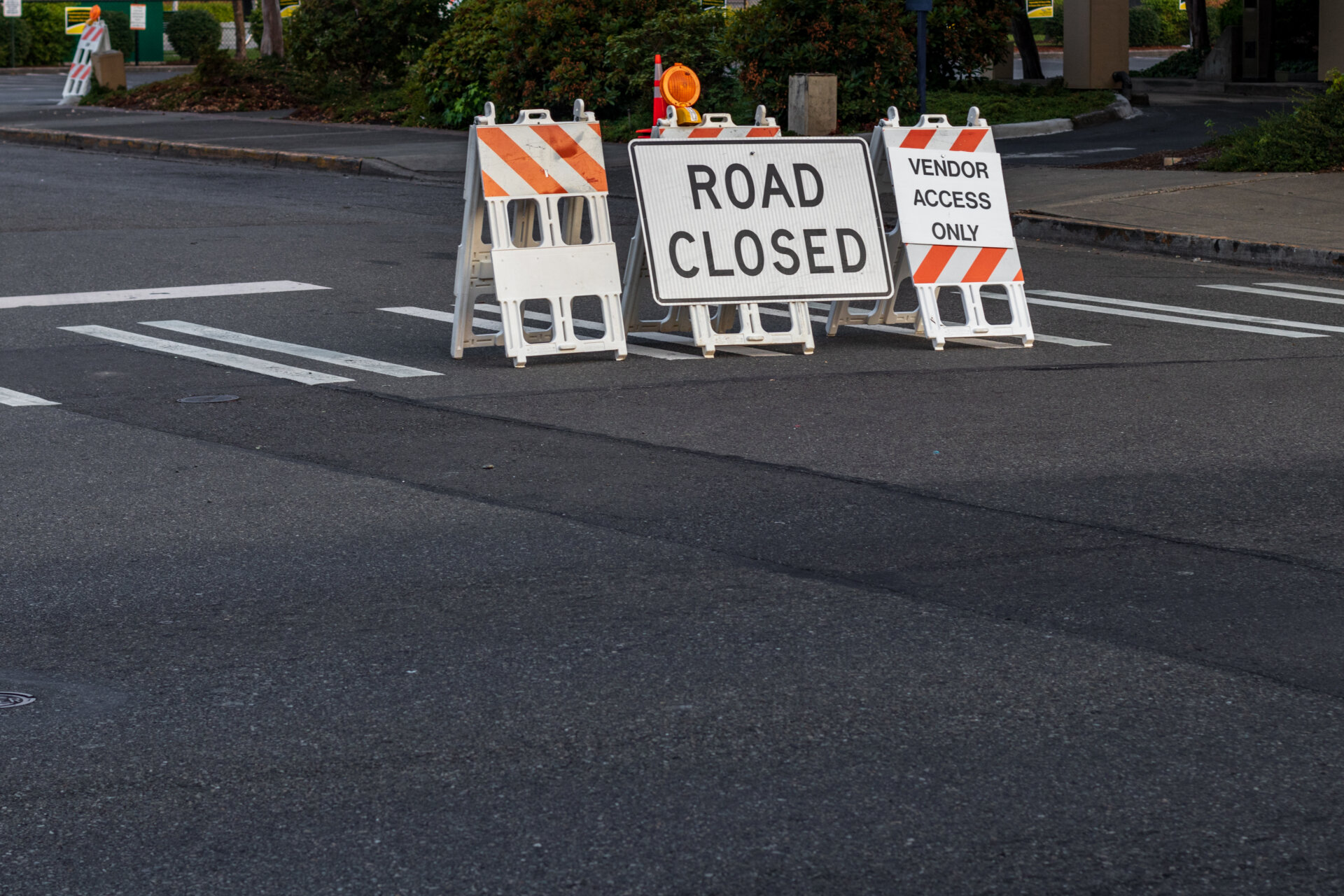
A closed street is a long, open room with no ceiling, and it rewards a little planning. The most comfortable block parties tend to have seating clustered in a few spots rather than strung along the curb, a shaded area for older neighbors and babies, and a clear lane down the middle so people, strollers and emergency vehicles can pass. Your permit will spell out any access conditions, so follow those first and build the layout around them.
For headcount, assume not everyone sits at once. Neighbors drift between stoops, the street and their own kitchens. Planning seats for about half your expected crowd usually works. If you expect 100 people, that’s 50 seats. A six-foot rectangular table seats about six people (three per side), so 50 divided by 6 is 8.3, which rounds up to 9 tables and 54 seats. Our guide to how much space per guest goes deeper if you’re fitting tables between parked-car gaps and hydrants.
Beyond the basics, a few pieces earn their keep on a street:
- Umbrella table rentals for shade at midday, since the sun on asphalt is relentless in July and August
- Kids tables and chairs, so the youngest guests have their own corner for crafts and cake
- A dessert table or a pair of long tables for the potluck spread, with chafing dishes if hot dishes are coming
- Plenty of trash cans, spaced out, because a block party produces more waste than anyone predicts
- Portable heaters if your date falls in late October
Browse the chair and seating options with the street in mind: lightweight folding or resin chairs move easily when the crowd shifts.
Getting the truck onto the block
Delivery is the logistical wrinkle most hosts miss. Once barriers are up and the street is closed, a delivery truck needs a way in. Give your rental company the permit hours, the cross streets and the name of whoever will be on site, and ask whether drop-off should happen before closure or with someone moving a barrier aside. Pickup needs the same thought at the end of the night, especially if your nine hours end after dark. Our list of questions to ask your rental provider covers weather policies too, which matters more than usual when the date can’t move.
For the broader picture of food, shade and timing outdoors, our outdoor party in NYC checklist pairs well with this one.
A Last Look Before the Street Closes
The week before the party is when small loose ends become day-of headaches. Run through these with whoever is helping you organize:
- Approved permit printed and saved on two phones
- Start and end times match what’s on the permit
- Every building has the written notice with your contact number
- Car owners know the deadline to move vehicles
- Delivery and pickup times confirmed, with the rental company told how to reach the block
- Emergency lane marked on your sketch and kept clear of tables
- Grill plans cleared, or dropped
- No one planning to sell anything or pass a donation jar
- A rough weather plan: shade for heat, a gathering spot for a passing shower
FAQs
How do you get a block party permit in NYC?
Apply online through the Street Activity Permit Office’s E-Apply system at least 60 days before the event, pay the $25 application fee, and show block association membership or neighbor permission. The permit covers one block for up to nine hours.
Can you apply for a rain date with an NYC block party permit?
No. The city doesn’t allow rain dates for block parties. If it rains, you either hold the party anyway or start a new application for a later date, which means a new 60-day clock and a new fee.
What are the hours for an NYC block party permit?
A block party can last a maximum of nine hours. You request the specific start and end times on your application, so leave room for setup and cleanup and confirm with the permit office how those are treated.
Do you need a separate permit to barbecue at a block party in NYC?
The street permit itself doesn’t guarantee open flame is allowed. Ask the permit office what your permit covers and check fire safety rules with the city before setting up a grill.
Is a block party permit from NYC Parks the same thing?
No. Street block parties go through the Street Activity Permit Office, while events inside city parks are handled by the parks department under separate event permits.
Is the block party permit fee refundable?
It isn’t. The $25 is a processing fee and isn’t returned if the application is denied or withdrawn.
See You on the Block
The paperwork takes an afternoon. The real work is the neighborly kind: agreeing on a date, knocking on doors, and making sure the street feels like a shared living room for nine hours. Get the application in early, keep your notices clear, and leave the rest to good weather and better company. When your permit comes through and you know your headcount, get in touch with our team about tables, chairs and shade for the street.